

With consumers being more attentive about what’s inside the products they consume, the need for natural alternatives isn’t slowing down. Manufacturers are substituting traditional artificial colors with natural plant-derived colorants in favor of a cleaner label – all while ensuring product visual brilliance and visual appeal for your customers. Knowing all of your FDA Approved Natural Food Colors is the next step in taking your brand from the ideation stage to market-ready.
Selecting the ideal natural color solution for your needs does require more than just picking a hue. In addition to selecting the right shade for your product, you’ll also want to know more about FDA food color regulations, ingredient sourcing, as well as stability and food safety compliance for a successful new launch.
What Are FDA Approved Natural Food Colors?
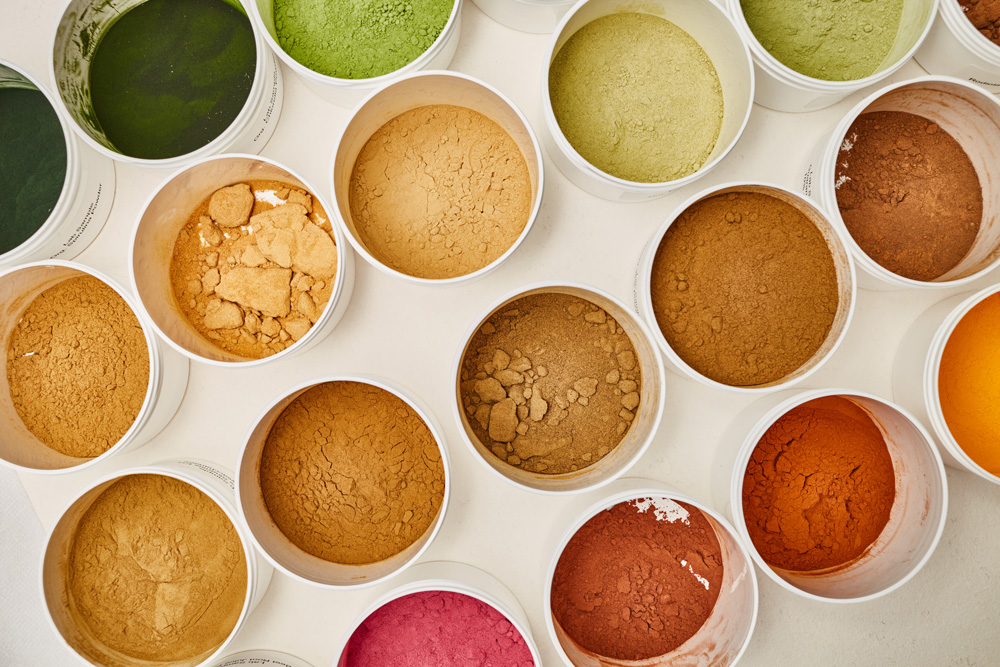
FDA Approved Natural Food Colors are color additives used in food that are authorized for food use according to the regulations set by the U.S. Food and Drug Administration (FDA). Most natural colors use ingredients derived from plants (such as fruits, vegetables, or spices), micro-organisms (such as algae), or other naturally derived materials (like minerals). There are a wide number of natural colours, some of which may be approved through regulatory exemption and some which have other specific requirements for use as a colouring agent within food, the ingredient must meet the requirements under whichever is applicable.
Why Manufacturers Are Choosing Natural Color Alternatives
Besides the aesthetic aspect, there are a lot of other advantages associated with natural food colors. Companies can take advantage of the market’s growing need for understandable ingredients, whilst at the same time maintain the premium image of their products.
Advantages:
- Development of clean-label products
- Higher consumer trust
- Increased acceptance in the market
- Availability of plant-based ingredients
- Improved brand transparency
- Alignment with worldwide regulatory standards
Popular Natural Food Color Alternatives
There are numerous botanical sources that are popularly being utilized as natural color alternatives in food and beverage applications.
Beetroot
Bright attractive colors that have application in beverages, sweet and savoury confectionery, dairy products and desserts.
Turmeric
Produces a bright yellow color and functions well in sauces, drinks, snacks, and baked items.
Spirulina
Gives eye-popping blues previously unobtainable with natural coloring. It’s heavily employed by drink mixes, ice creams and confectionery.
Paprika and Annatto
These components make orange-and-yellow colors for snacks, cheese, sauces, processed foods, etc.
Fruit and Vegetable Concentrates
Make the jump to a world without artificial colorings! From purple carrot to black carrot to even elderberry, fruit concentrates provide vibrant reds, purples, and blues-and don’t get in the way of your clean-label appeal.
Understanding FDA Food Color Regulations
All food manufacturers need to abide by FDA food color regulations. These rules prescribe procedures on the certification, labeling, manufacturing, and application of color additives in different food groups.
Manufacturers shall guarantee that:
- Ingredients shall be purchased from certified suppliers,
- A documentation shall support compliance;
- The products shall be used within approved limits;
- Labeling rules shall be respected;
- Quality test shall be completed before marketing.
Why Food Safety Compliance Matters
But food safety compliance is as crucial as choosing the right color ingredient. Reputable manufacturers will use stringent test and quality control systems so that each production batch of the ingredient can satisfy the regulations.
Good quality programs commonly incorporate:
- Quality of ingredients testing
- Microbiological analysis
- Batch of the product tracing
- Long term stability testing
- production in a quality management system
Choosing the Right Natural Color Partner
Product developers can utilize existing suppliers’ expertise when using FDA Approved Natural Food Colors for product development. Suppliers who can offer technical, custom color, regulatory assistance and documentation will facilitate product development on a global level. The use of many different natural color choices by the supplier in their offering, their formulation assistance and facilities certified to different specifications can be a valuable asset to product developers.
Conclusion
With ever-increasing consumer desire for clean-label products, FDA Approved Natural Food Colors are a required staple in today’s food and beverage innovation. The knowledge of FDA food color regulations and good food safety compliance can contribute to appealing and trusted products for consumers.
FoodRGB® helps beverage and food manufacturers in all aspects of their natural food color and sweetener requirements. FoodRGB® provides customized natural food color and sweetener solutions based on specific formulation needs. With world-class certifications, technical knowledge and devotion to quality, FoodRGB® assists in providing solutions that contribute to innovation, while meeting consumer demand for clean labeling now and in the future.