
Natural Food Coloring for Bakery Products: Best Ingredients by Application
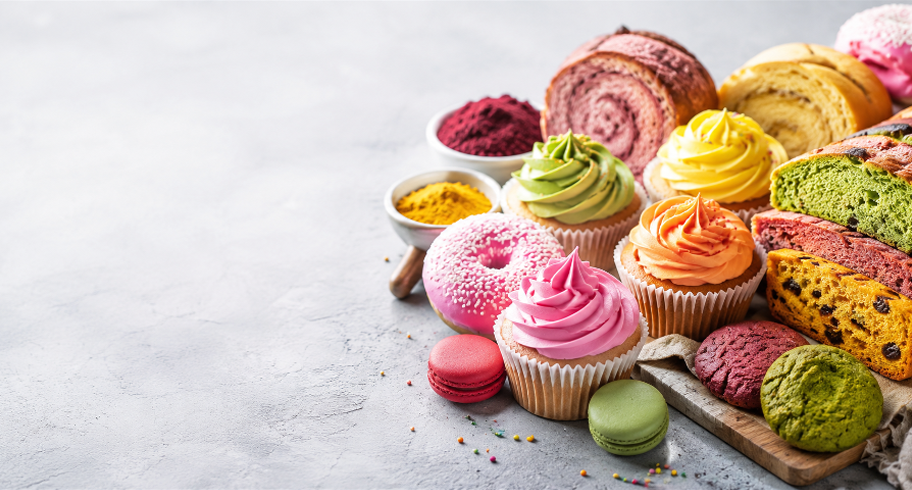
Consumers judge a bakery product before even tasting it; they often first select an item based on colour. The cheerful colours of a cupcake or the deep tone of a golden brown bread loaf are matched by the multitude of colours found in the traditional French macaron and festive holiday cookie. Appearance can drive product selection for this category, and in response to growing consumer pressure for clean labelling and demand for natural ingredients, many food manufacturers are replacing artificial food colours with those sourced from nature. Natural food colourings are becoming a key ingredient in both bakery and general food production and can play an integral role in producing vibrantly coloured foods that are in tune with today’s tastes and expectations.
Why Natural Colors Matter in Bakery Products
People are scrutinizing the ingredients on food labels now more than ever. Consumers are opting for bakery items that feature simple, naturally derived ingredients that can be easily pronounced over artificial additives.
Choosing bakery natural food colouring brings many advantages, such as:
- Easier, cleaner ingredient labels
- Increased consumer confidence
- Bold, natural colors
- Commitment to clean-label food solutions
- Aligns with today’s food trends
Choosing the Right Natural Food Color
Color behavior isn’t the same across every natural food coloring when baking. It is important to account for pH values, water content, temperature, and even manufacturing techniques, as each one impacts the color’s resilience and behavior in baked applications. A natural baking food colourant is critical for retaining an aesthetically consistent product through all stages.
Manufacturers must look to:
- The oven temperatures in your baking process
- The water activity of the product you are baking
- fat content in the formula
- If your product is an acid or an alkali
- How vibrant the colour needs to be
- anticipated shelf life
Best Natural Colors for Cakes and Cupcakes
Cakes and cupcakes are typically prepared in colorful batter mixes with decorating frosting and colorful fillings. You can try these natural food coloring for baking:
- Beets, which lend vibrant pink to red hues
- Turmeric to bring on yellow shades
- Spirulina extracts to create blue and green-based colors
- Fruits and vegetables used in a concentrate
- Annatto, to color baked goods a warm orange
Natural Colors for Cookies and Biscuits
Cookies must use coloring ingredients that will withstand the rigours of the baking process without losing the intended visual effect. Here are the more commonly used bakery natural food colorings: Annatto, carrot extracts, paprika extracts, fruit-based concentrates, turmeric
Natural Coloring for Frostings and Icings
One of the most readily usable applications for natural colors is frostings, which don’t endure the intensity of a hot oven. The possibilities are endless! Bakeries are already using natural colors in a range of applications:
- Birthday cake decorating for vibrant icing
- pastel frosting for wedding cakes
- holiday icing colors
- seasonal specials for bake shop promotion
Choosing an effective natural baking food colorant helps bakers create impressive color displays with clean labels.
Natural Colors for Macarons and Decorative Bakery Products
Consistency and brilliant colors for macarons, royal icing, fondant, decorative bakery ingredients, and more are essential. Top advantages: vibrant hue, trust, even spread, neutral flavor profile, use it in sugar recipes. A beautiful range of natural color options sourced from fruits, vegetables, algae, and botanicals creates premium bakery applications.
Building a Reliable Bakery Ingredient Strategy
Color choice isn’t all bakers need for optimum formulations; manufacturers must use the correct combination of ingredients to produce the desired end product. Factors to be addressed in an effective bakery ingredient guide include:
- Color choice-natural.
- Compatibility of sweeteners.
- Stability of the processing system.
- Regulations and standards. Label declaration and information.
- Desired shelf-life
Conclusion
Creating bakery products consumers reach for today is a blend of delicious flavor, tantalising appearance, and the promise of quality ingredients. With carefully selected natural bakery food coloring for every use, producers can deliver mouth-watering treats with attractive appearances and clean-label benefits. Whether for baked goods from cakes to cookies or a decorative frosting or crust for artisan bread, the correct natural baking food colorant ensures spectacular results. With an in-depth understanding of bakery applications and an in-house product development and support team, FoodRGB offers customizable natural color and sweetener solutions for global food manufacturers.