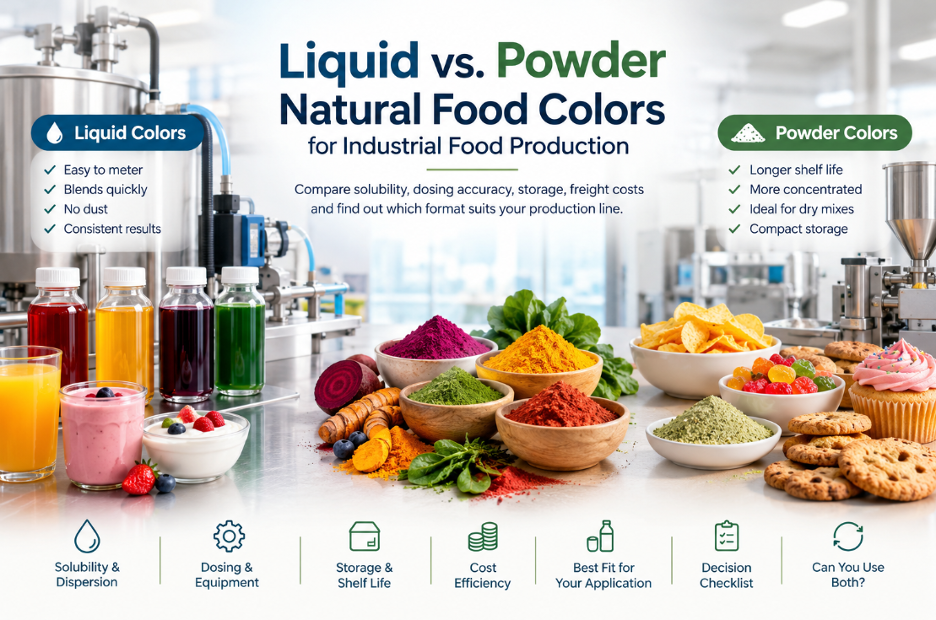
Liquid vs. Powder Natural Food Colors for Industrial Food Production
Once a manufacturer settles on a natural color source, a second question arrives quickly: liquid or powder? Both are legitimate choices, and plenty of plants end up using some of


Once a manufacturer settles on a natural color source, a second question arrives quickly: liquid or powder? Both are legitimate choices, and plenty of plants end up using some of
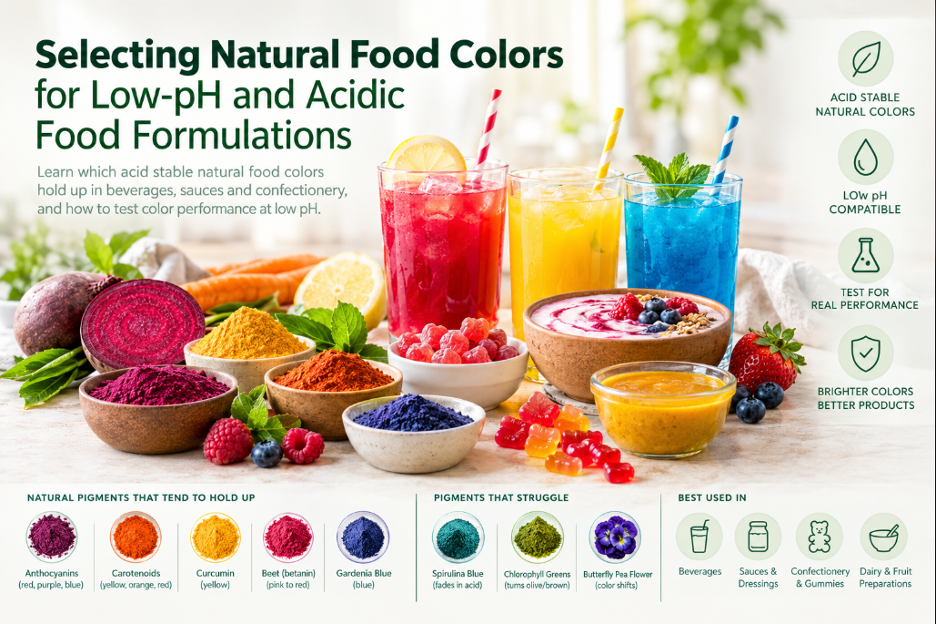
Ask a formulator which part of a natural color switch kept them up at night and acid comes up a lot. A lemon-lime soda, a tangy sauce, a fruit gummy,
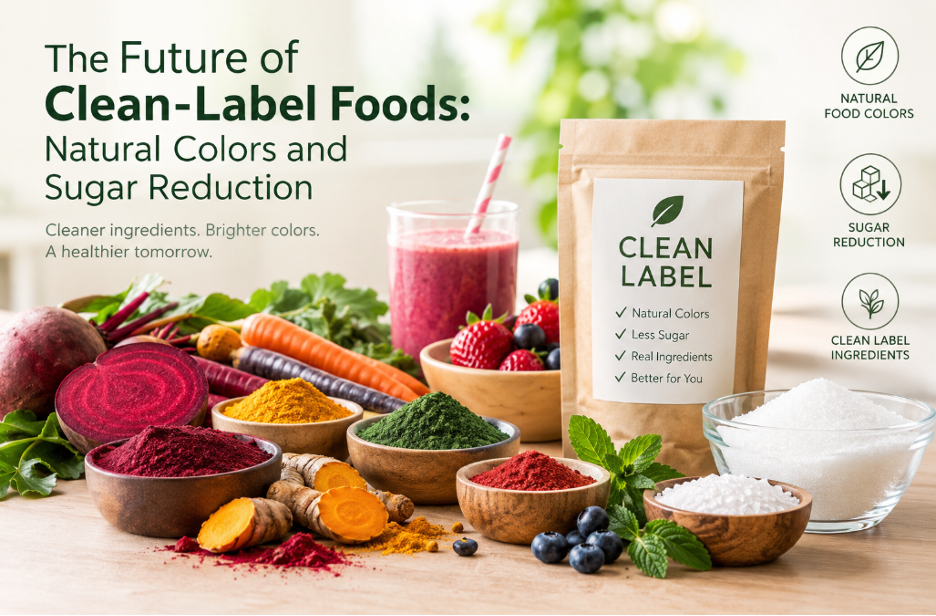
Walk down any grocery aisle and read the back of a few packages. Ten years ago you would have found Red 40, Yellow 5 and a long run of sweeteners
Beverages are one of the most demanding categories for natural color. There’s nowhere for an unstable pigment to hide a drink that fades, clouds, or shifts shade in the bottle

Reformulating a product to remove artificial dyes is rarely a straightforward substitution. Synthetic colors were engineered specifically for consistency, stability, and low cost, so a synthetic food color replacement almost
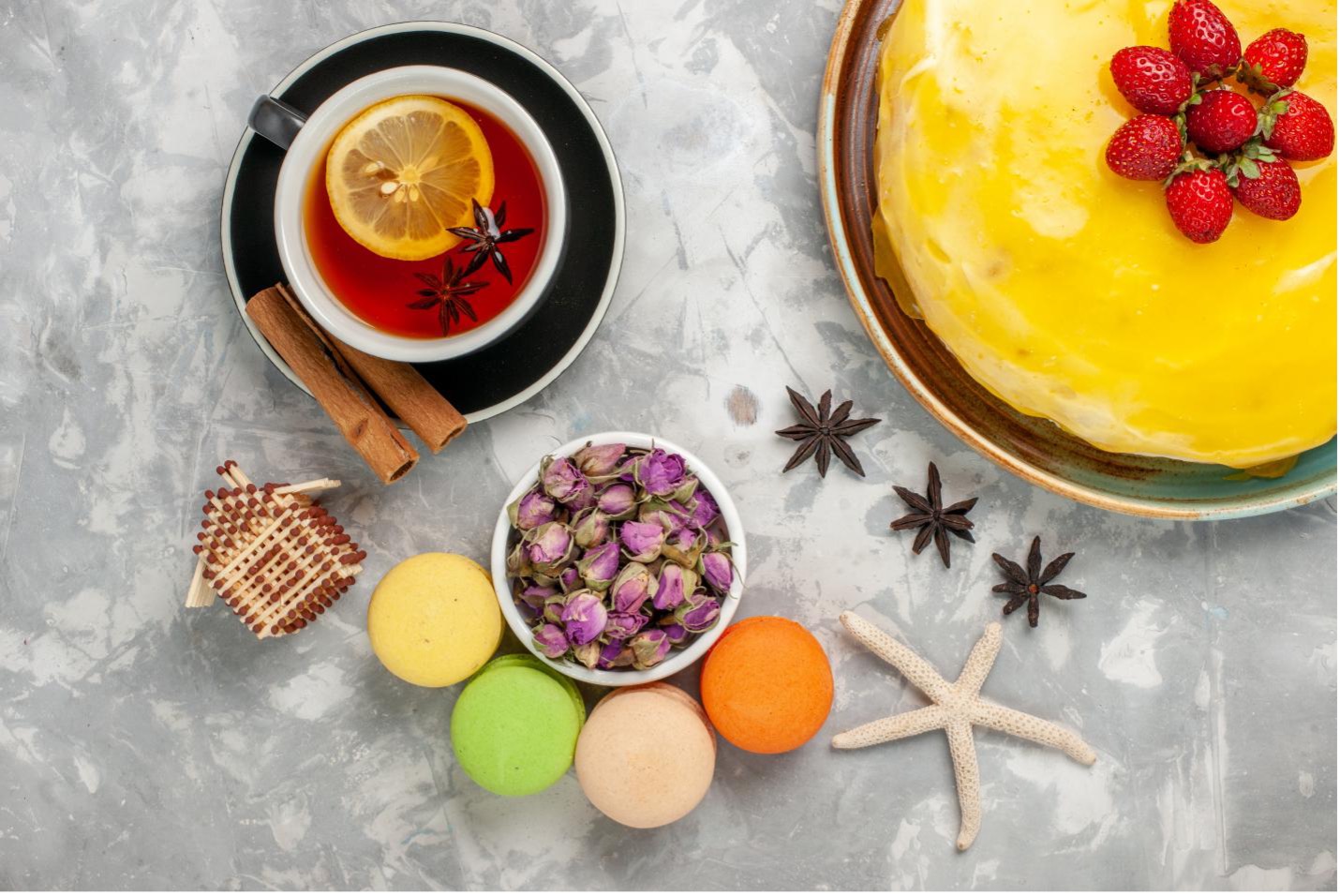
Bakery products put natural color through a distinct combination of stresses: oven heat during baking, sugar concentration in frostings and icings, and often a longer shelf life than fresh baked
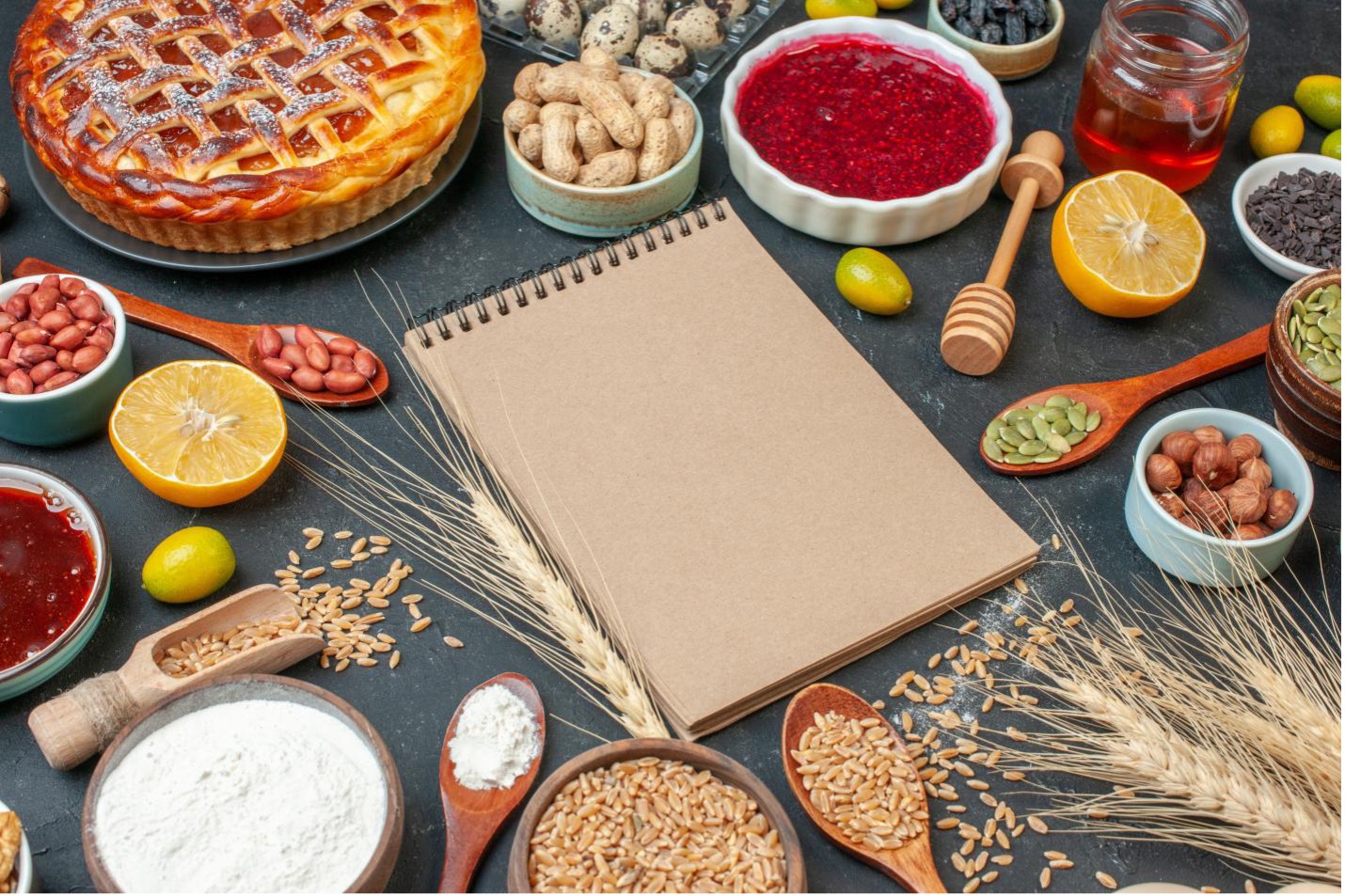
For bakery manufacturers moving away from synthetic dyes, the transition to natural color touches more than just the formulation bench. It affects sourcing, supply chain reliability, quality control, label compliance,
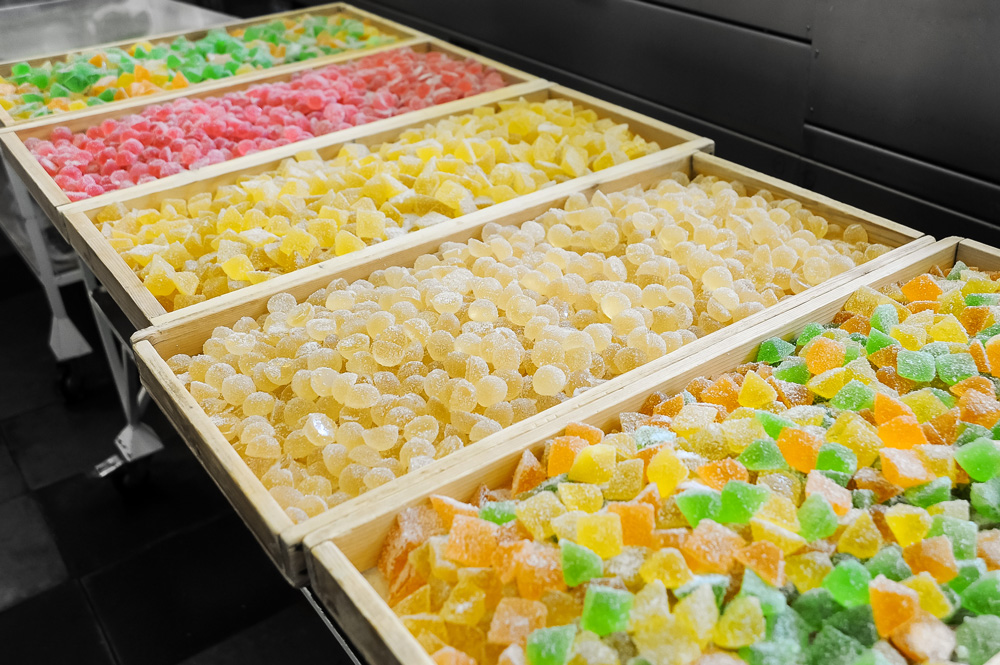
The global demand for clean-label foods is increasing, so food manufacturers have started substituting artificial colors with natural ones. The difficulty increases in selecting appropriate color when foods are subjected
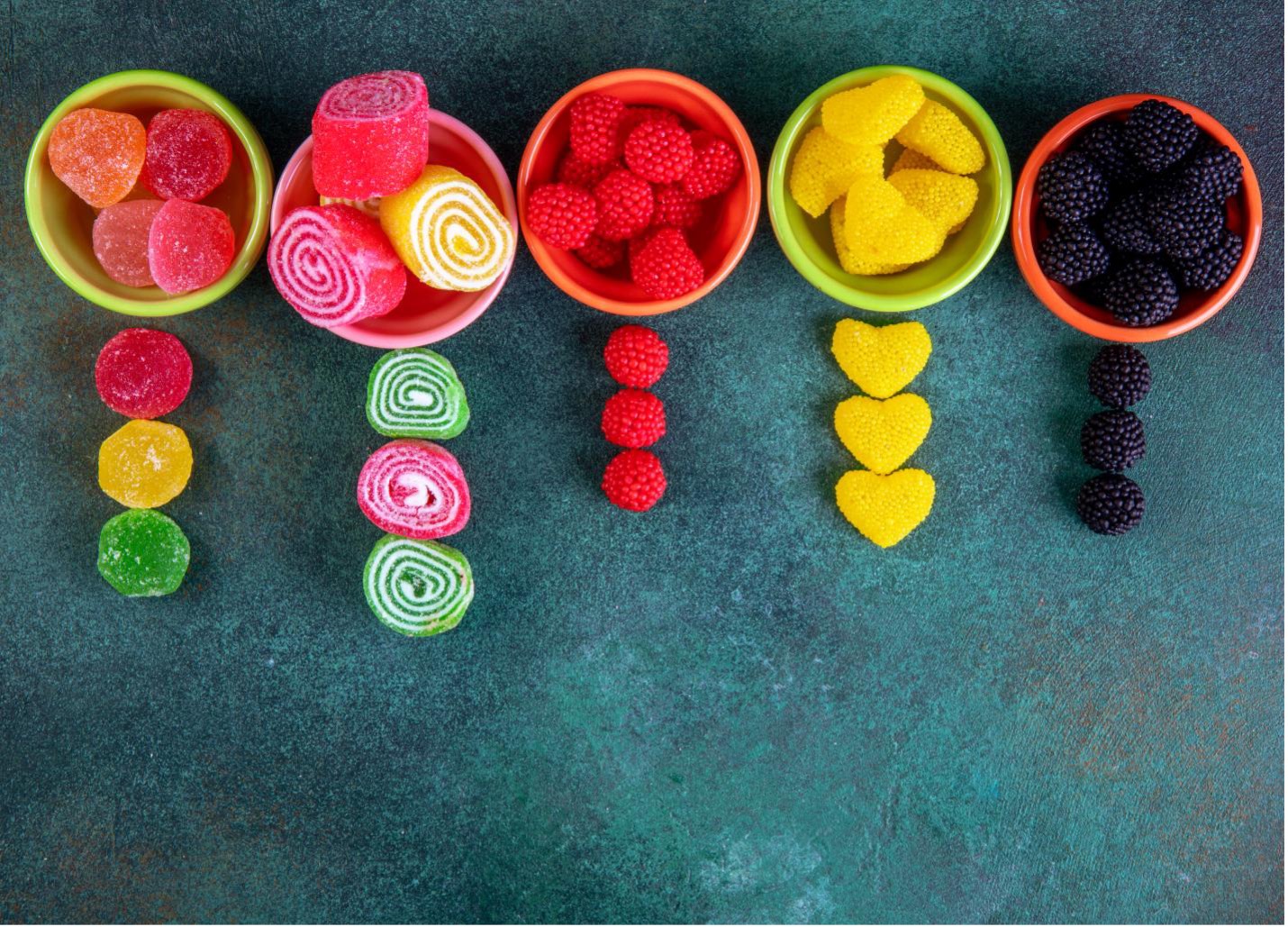
Gummy candy might be the single toughest test for a natural color. Between the high cooking temperatures needed to set the gel, the sugar and acid levels used for flavor
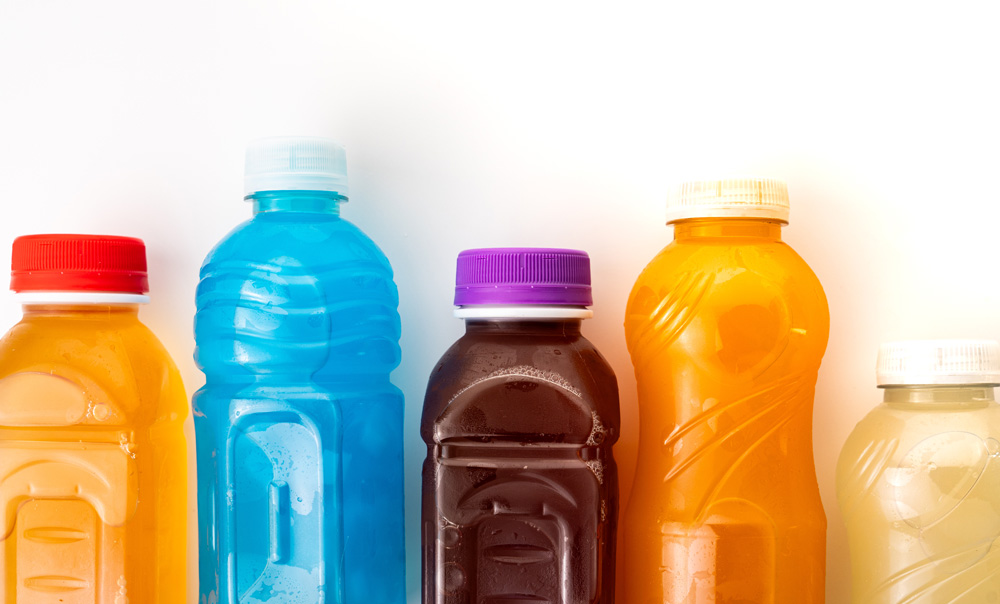
Choosing Natural Food Colors for beverages trend will become more and more popular As consumers demand cleaner and more natural additives; beverage manufacturers should adjust their formulation preferences for natural,
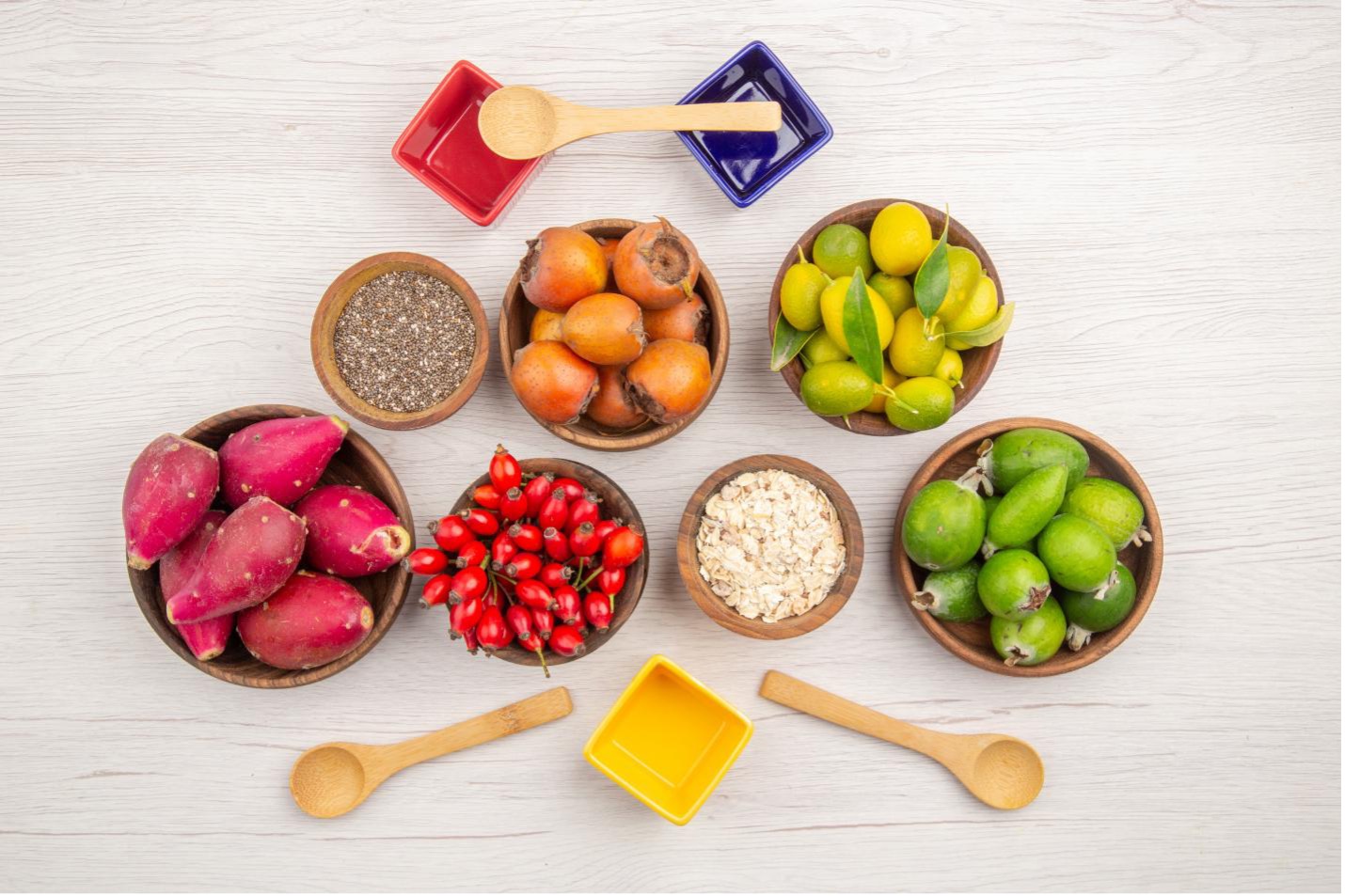
Frozen food presents a color stability challenge that’s easy to underestimate. Unlike a shelf-stable product that faces a fairly consistent set of stresses over its life, frozen items go through
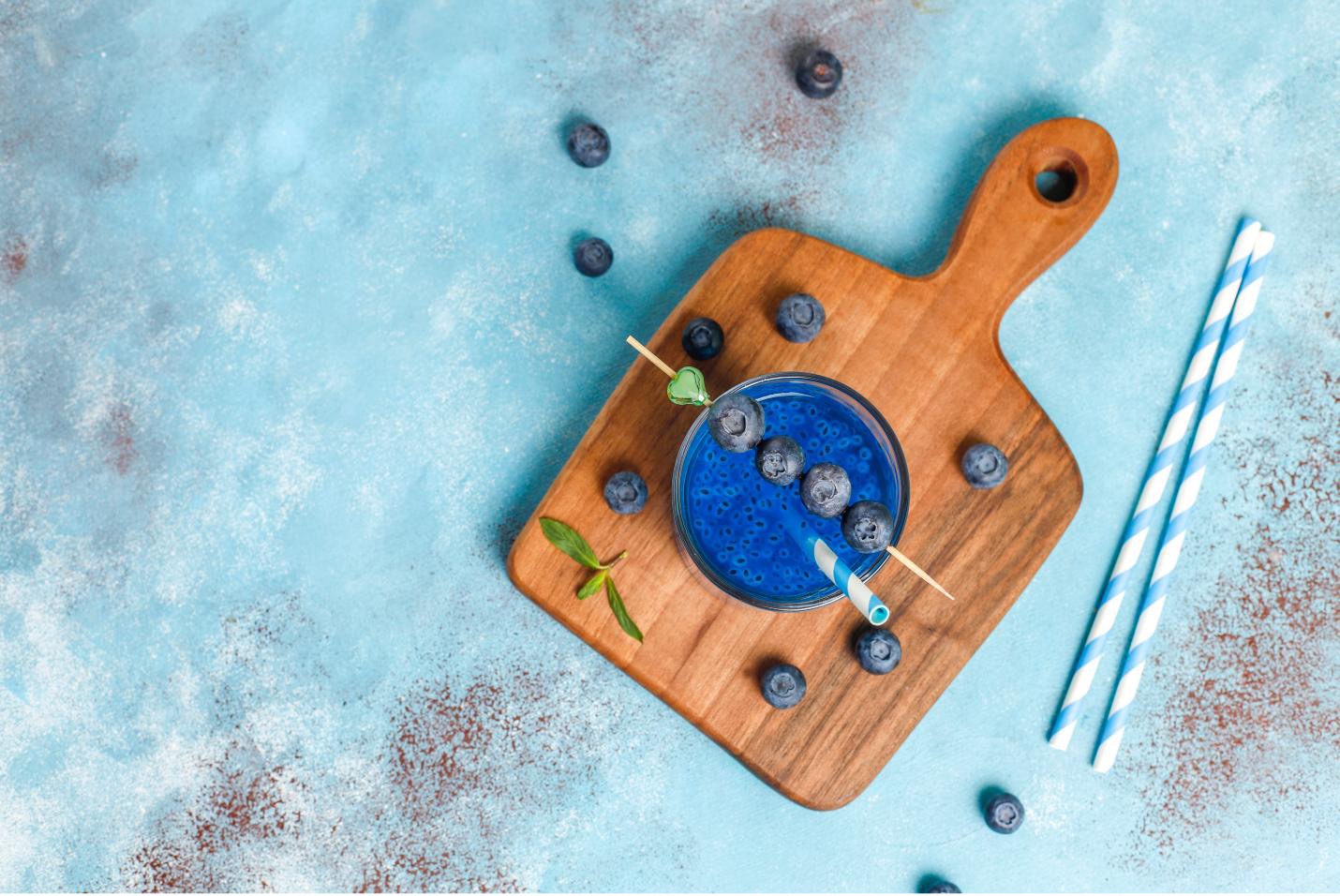
Blue is the rarest color in nature, which is exactly what makes it so valuable on a store shelf. A bright blue beverage or a saturated blue gummy bear pulls