Natural Food Coloring Trends Every Food Brand Should Know | Food RGB
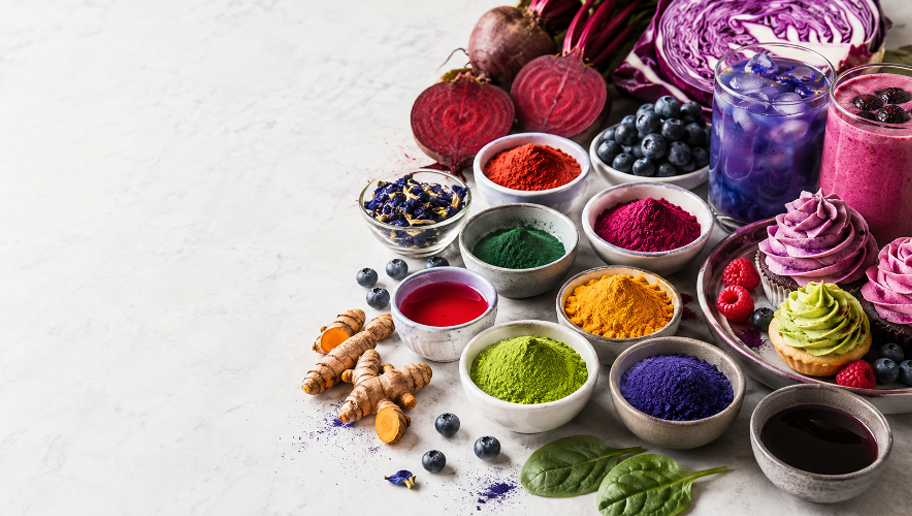
Natural Food Coloring Trends: What Food Brands Should Expect in the Coming Years The Food and beverage industry is changing and one of the most profound ways the landscape is




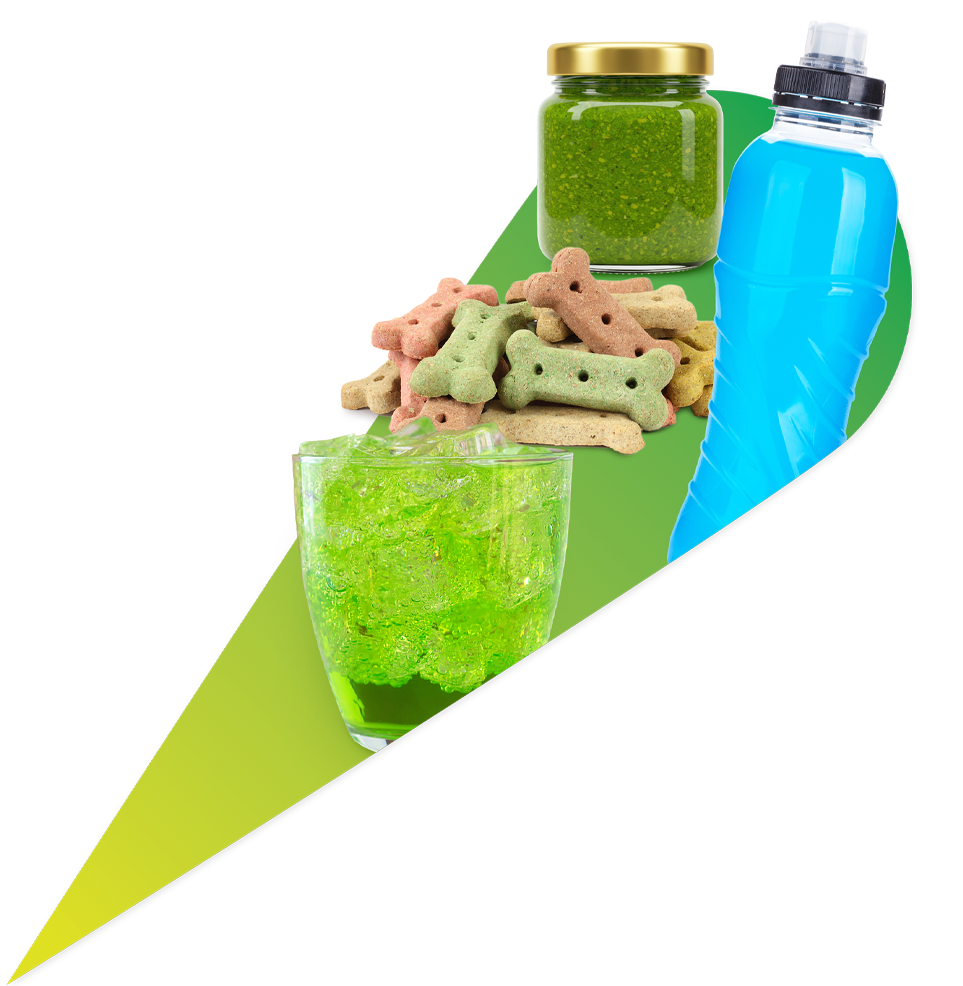
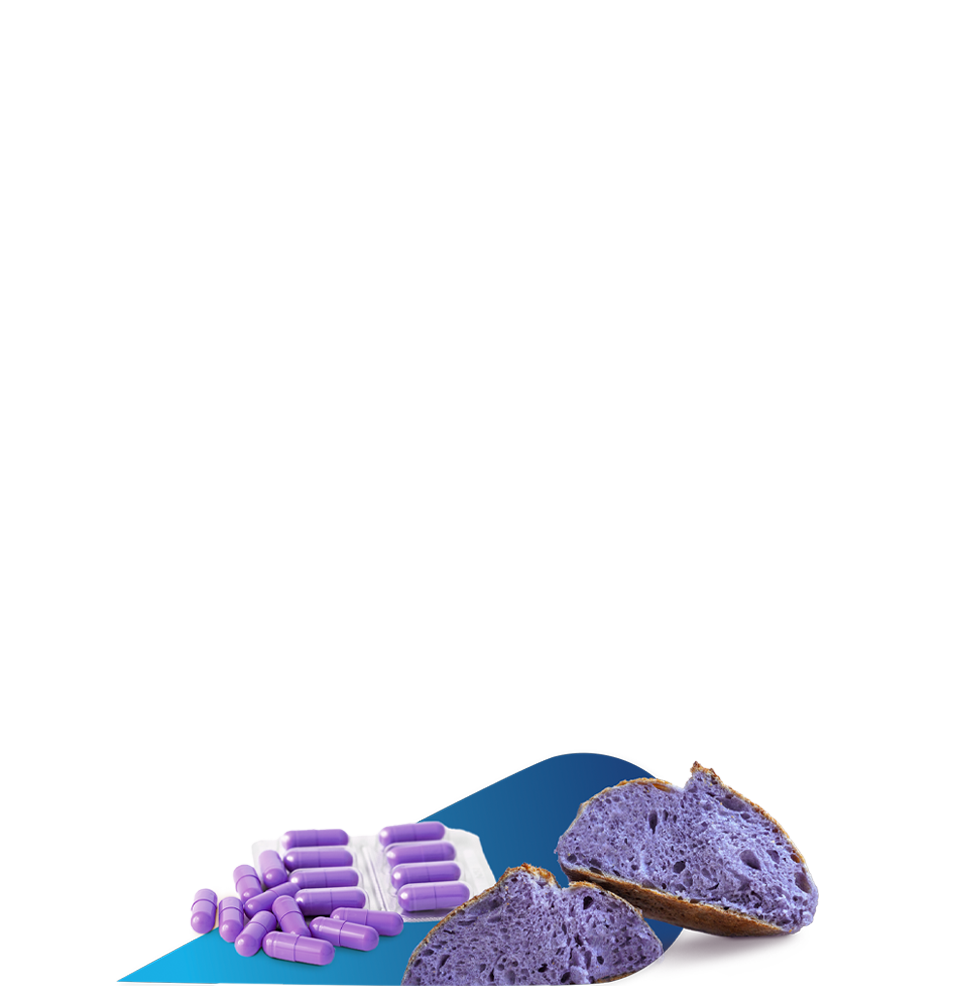
Natural Food Coloring Trends: What Food Brands Should Expect in the Coming Years The Food and beverage industry is changing and one of the most profound ways the landscape is
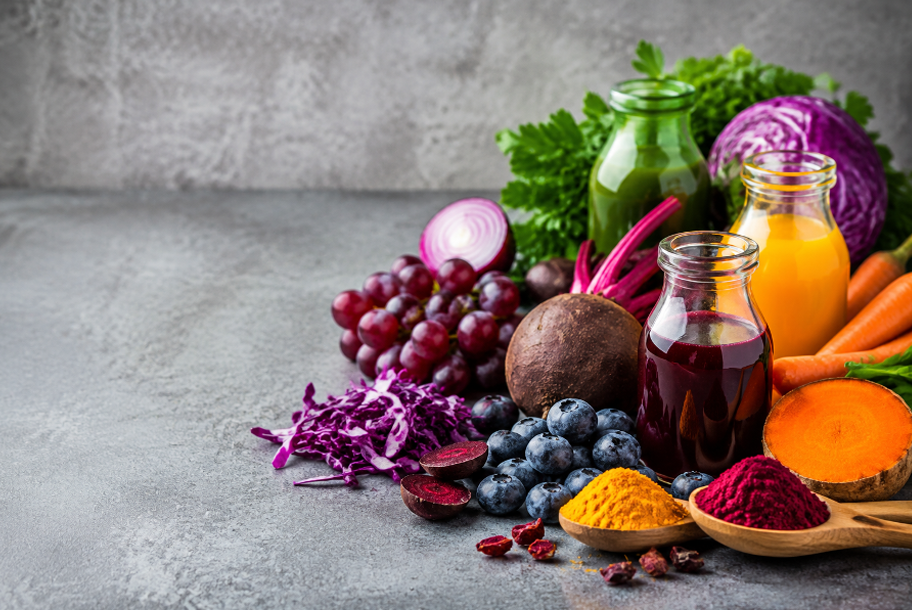
Why Natural Food Colorants Are Replacing Synthetic Food Dyes in 2026 From artificial colorants to natural food colors, in 2026 a disruption is underway throughout the food & beverage industry.
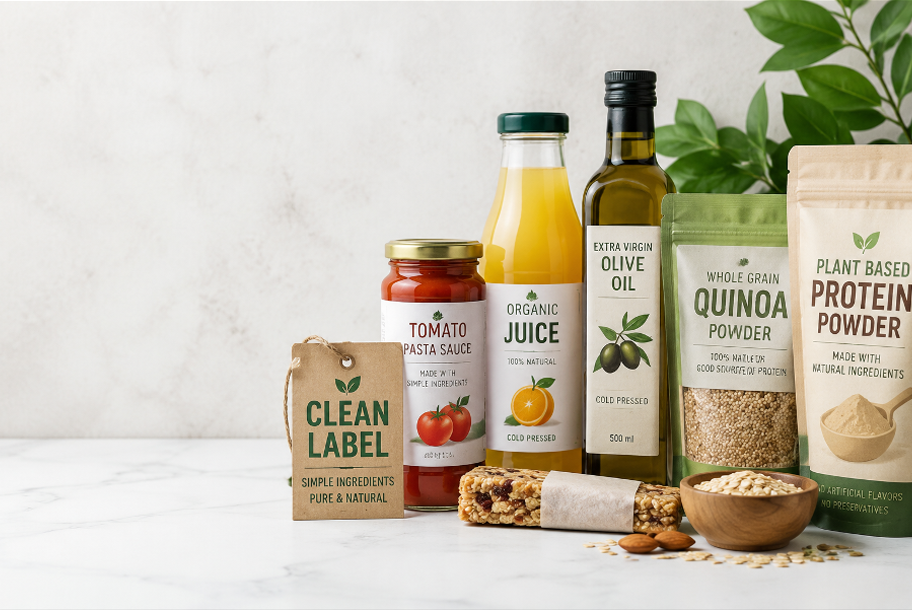
Clean Label Food Products: What Consumers Really Want Today There’s no doubt that the world of food and beverage has transformed itself significantly in the last decade. Today’s consumer is
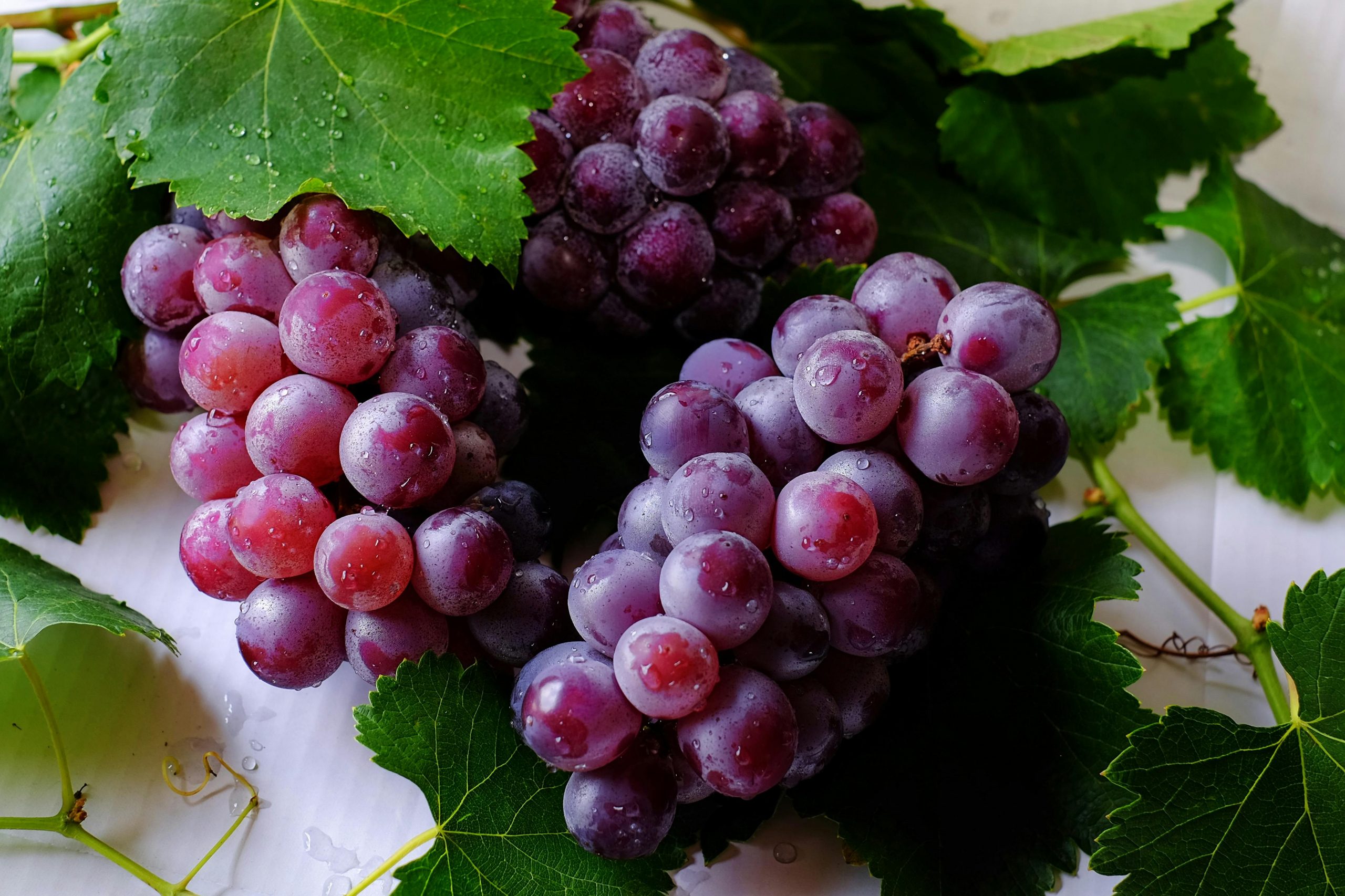
Artificial colors have been used in food for a long time. From the birth of artificial colors, there are many argues on whether they are safe to health. More and
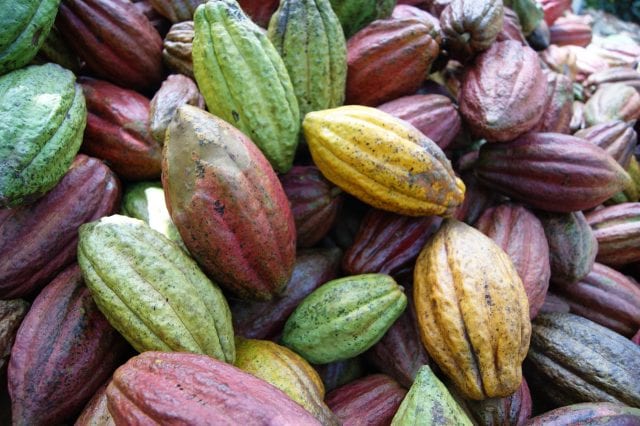
Chocolate, loved universally, is not just about taste but also about aesthetics. The vibrant colors that enhance chocolates are often created using food colorings. With increasing consumer awareness and demand
Introduction: Natural food coloring in high-end dining is becoming increasingly popular as chefs and restaurants seek to enhance the visual appeal of their dishes while maintaining a commitment to natural
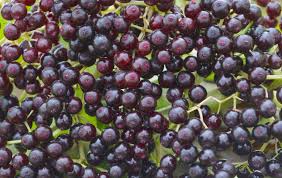
Elderberry red food coloring, derived from the berries of the elderberry plant (Sambucus spp.), is a natural food dye. Here are some key points about it: Physical Properties: Color: The
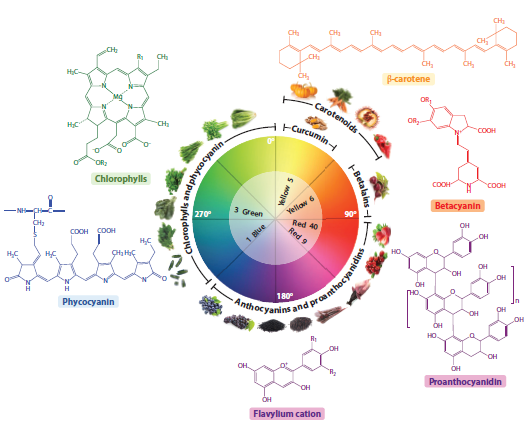
The food industry is seeing a significant shift toward the use of natural colorings, driven by consumer demand for healthier and more transparent food products. This trend is evident in
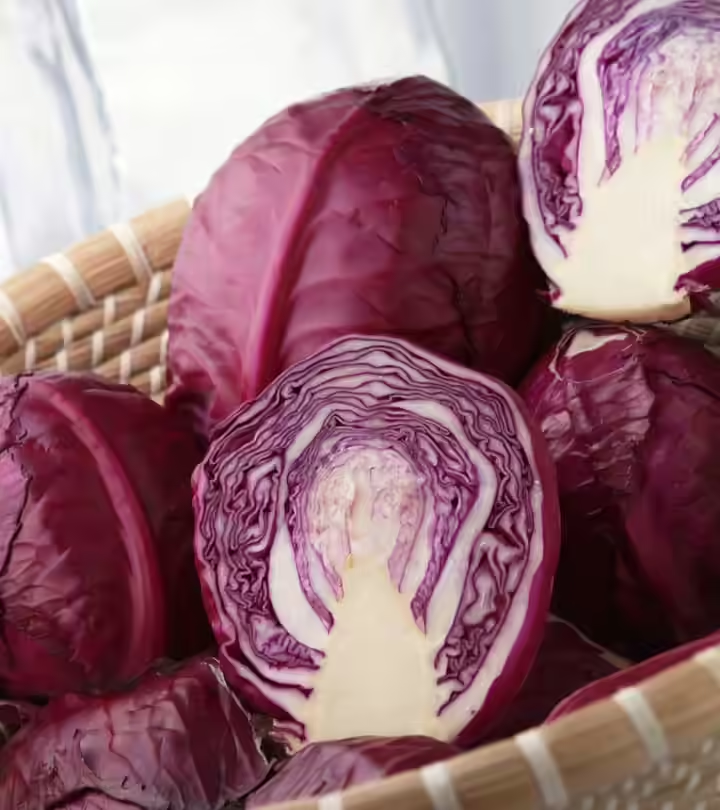
Red cabbage, known for its vibrant purple hue, is not only a nutritious vegetable but also a versatile natural dye. The rich color of red cabbage comes from anthocyanins, water-soluble
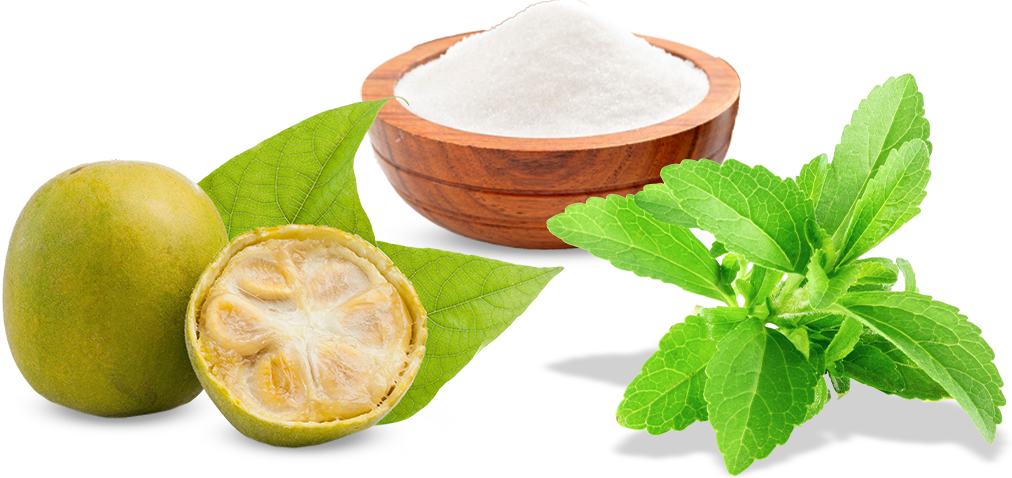
As the demand for healthier alternatives to sugar rises, natural sweeteners have gained popularity. Among these, stevia, monk fruit, and allulose stand out for their unique benefits and properties. This
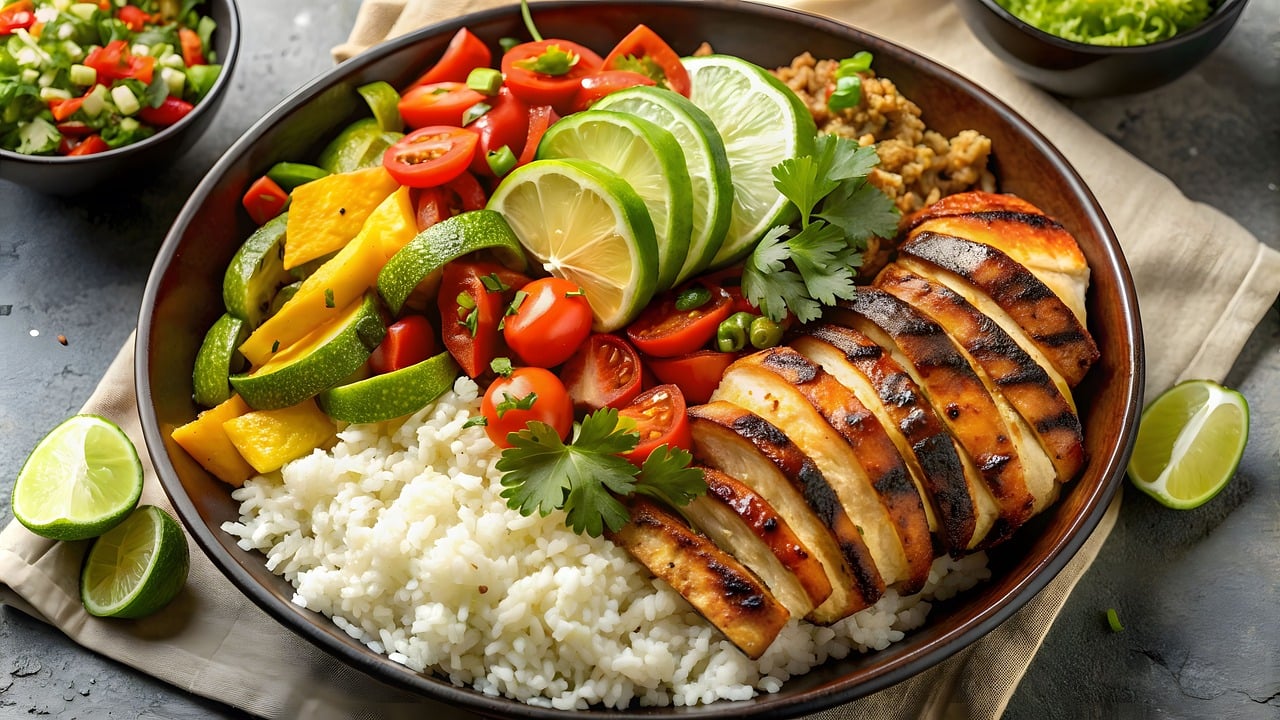
Using natural food coloring in meat products is an effective way to enhance their visual appeal while maintaining a clean label free of synthetic additives. This approach is becoming

Lowering the costs of natural food coloring can be achieved through various strategies, focusing on efficient production, sourcing, and processing methods. One effective approach is bulk purchasing. By buying larger