

Why Natural Food Colorants Are Replacing Synthetic Food Dyes in 2026
From artificial colorants to natural food colors, in 2026 a disruption is underway throughout the food & beverage industry. Consumers are hyper-aware of ingredients in their products today. They are opting for plant-based products with simple ingredients, not the chemical alternatives they see in conventional food products.
In turn, food brands are paying attention to tightening regulations and the demand for clean-label foods. Food and beverage manufacturers in confectionery, dairy, bakery, snacks, and beverages all want alternatives to synthetic food coloring without losing out on appearance or product appeal.
Why Consumers Are Driving the Shift
Consumers of today are demanding transparent foods with ingredients that are naturally occurring and understandable. For decades, manufactured colors often graced our snacks, desserts, and beverages, but with consumer demand and market forces at play, artificial food colors have come under scrutiny.
As parents look for “cleaner” labels for their families and consumers focused on health search for naturally colored ingredients, natural food colorant alternatives are becoming one of the most explosive segments of the food ingredient business.
The Limitations of Synthetic Food Dyes
Synthetic colors have been around for a long time. They are favored by manufacturers for their brilliant hues, color reliability, and budget-friendly prices. Today, color vibrancy is not enough for the modern marketplace.
Food brands are encountering numerous problems when using artificially colored ingredients, such as:
- Rising consumer skepticism
- Consumer desire for more clean-label options
- Demand for brand transparency
- Changes in legislation in various markets globally
- Retailer demand for natural formulation
Considering all these reasons, many companies have been actively pursuing reforming their entire product range to replace synthetic food colors with these colors.
Natural Colors Continue to Improve
Back in the day, when using natural color was looked down upon, the main problem was the ability to perform.
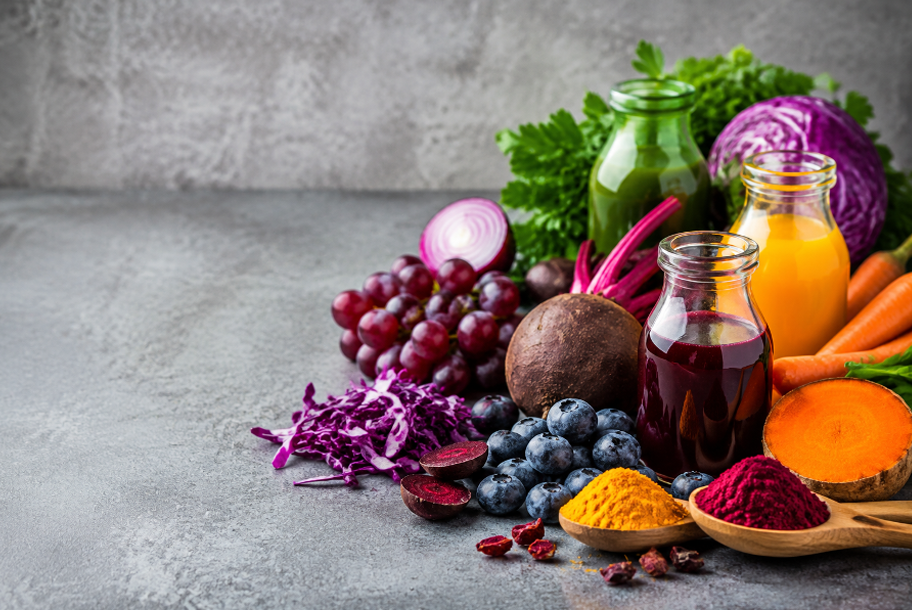
However, technology these days has really changed that for natural color! Through enhanced natural extraction techniques, natural formulation knowledge, and increased stabilizing technologies, the use of natural food color can now be incorporated into far more food product types. The best color performance, process capabilities, and color intensity have been obtained with ingredients derived from plants, fruits, algae, vegetables, and botanicals.
Through natural colors, the desire to enhance the food product’s appearance and satisfy consumer preference of clean labels has become attainable for brands of all sizes.
Different Food Applications Require Different Solutions
Each product comes with its own set of formulation challenges, including differences in pH, heat, moisture, processing, fat content, and shelf-life, all of which affect how the color performs. For instance,
- Beverages need highly stable water-soluble colors.
- Gummies & confectionery need Colors stable throughout the cooking process.
- Dairy needs Excellent stability throughout refrigeration.
- Bakery needs High stability to bake at extreme temperatures.
- Frozen needs stability throughout the freezing process.
As every formulation is unique, businesses increasingly turn to custom natural food coloring solutions rather than using standard, generic ingredients.
Sustainability Is Becoming Part of Product Development
Not only are consumers interested in what goes into their food, they are also paying attention to where the ingredients come from.
Naturally sourced colours derived from responsibly farmed botanical can support your company’s sustainability goals and enhance your corporate social responsibility efforts. Choosing natural food colour alternative fits well into a company’s overall sustainability initiative, responsible sourcing strategies and transparency across its supply chain and resonates with retailers, manufacturers and consumers.
Innovation Is Expanding Color Possibilities
The natural color space is changing at an exciting pace, providing more options than ever before.
Food companies can select a wider range of colors and custom formulations than were readily available just a few years ago, from vivid reds, bright yellows, and intense blues to striking greens, rich oranges, and earthy browns, with new food coloring options still being developed that can withstand even the toughest conditions and help food companies replace artificial colors and ensure consistent, appealing products.
The Competitive Advantage of Going Natural
Natural ingredient brands are setting up for lasting success. Whether a product falls under the clean label designation or not, the interest and purchasing habits of consumers worldwide lean towards products made with ingredients they understand.
Replacing artificial food colorants can:
- Respond to the preferences of consumers
- Enhance the transparency of ingredients used
- Drive the development of clean label products
- Keep pace with changing regulations
- Solidify brand loyalty
- Set products apart in crowded marketplaces
It’s less about substituting artificial colors with natural ones and more about realizing the possibilities offered through product renovation.
Conclusion
Switching to natural food coloring solutions aren’t going anywhere; it will be standard for food & beverage 2026 and beyond. Brands continue to phase out artificial food dyes – and a knowledgeable ingredient partner should be the essential part to ensuring a high-quality product and visually stunning results. At FoodRGB, we believe in the evolution of color by developing innovative custom natural food coloring solutions & natural sweetener technology solutions for each of our customers’ formulations. Through certified manufacturing, worldwide reach and application-based innovation, FoodRGB supports brands in creating the most vibrant natural products to align with today’s clean-label needs and anticipate those of tomorrow.