Vegetable Brown Powder WS50a FAQs
Is Vegetable Brown Powder WS50a heat stable?
Yes, Vegetable Brown Powder WS50a is formulated for heat stability. It is designed to retain its brown color during processing and storage, making it suitable for applications that require greater color stability.
What pH conditions are suitable for Vegetable Brown Powder WS50a?
Vegetable Brown Powder WS50a is designed to perform optimally in neutral pH environments. Manufacturers should test the color in their specific formulations to confirm the desired shade and stability.
What food products can use Vegetable Brown Powder WS50a?
FoodRGB® lists applications including beverages, confectionery, dairy products, baked goods, snacks, frozen foods, savory products, meat and poultry, plant-based foods, pet food, nutraceuticals, and specialty products. Suitability depends on the specific formulation and processing requirements.
What shade does Vegetable Brown Powder WS50a provide?
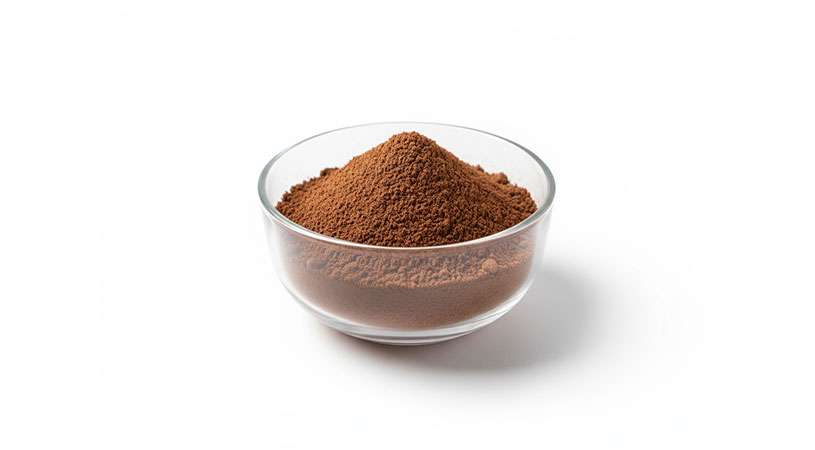
Vegetable Brown Powder WS50a produces a deep, consistent brown shade. Its formulation is designed to support uniform coloration and maintain the desired visual appearance in suitable food products.
Is FoodRGB® Vegetable Brown Powder WS50a available in powder form?
Yes, Vegetable Brown Powder WS50a is available in powder form, allowing manufacturers to incorporate it into suitable food formulations according to their production requirements.
Can Vegetable Brown Powder WS50a be used in baked goods?
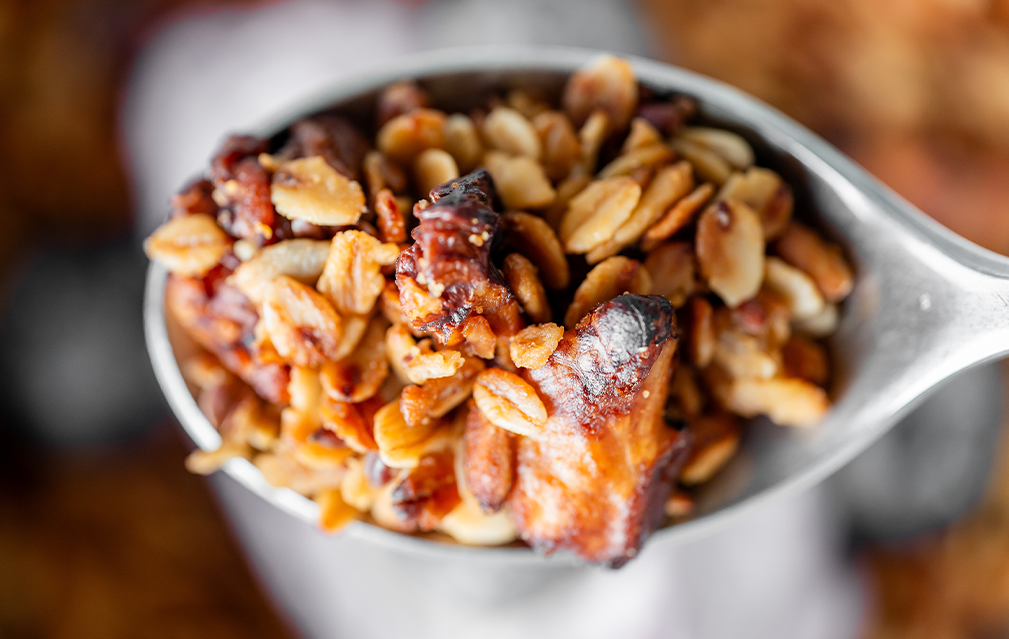
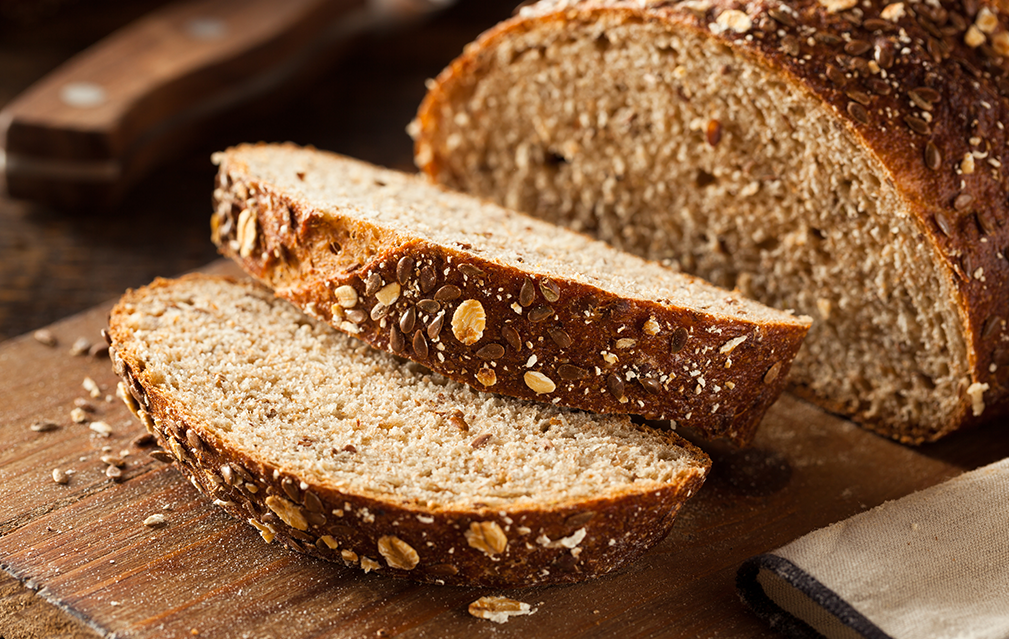
Yes, FoodRGB® showcases granola and bakery bread as applications for its vegetable brown powder color. Manufacturers can test the ingredient in their own recipes to evaluate color intensity and consistency.
Can Vegetable Brown Powder WS50a be used in granola and bread products?
Yes, FoodRGB® showcases granola and bakery bread as applications for its vegetable brown powder color. Manufacturers can test the ingredient in their own recipes to evaluate color intensity and consistency.
What certifications and dietary attributes does Vegetable Brown Powder WS50a have?
FoodRGB® lists Vegetable Brown Powder WS50a as Non-GMO, Kosher, Halal, gluten-free, allergen-free, and vegan. Manufacturers should confirm the applicable certification documentation with FoodRGB® for their intended use.
In which countries is Vegetable Brown Powder WS50a approved for use?
FoodRGB® lists Vegetable Brown Powder WS50a as approved for global markets. However, permitted food colors and applications differ by jurisdiction, so manufacturers should verify local regulatory requirements before commercial use.
Can Vegetable Brown Powder WS50a be used in dairy products?
Yes, dairy products are among the listed application categories for Vegetable Brown Powder WS50a. Testing is recommended to confirm compatibility with the specific dairy formulation and its processing conditions.